
Organizations today are under constant pressure from boards, competitors, and customers to adopt AI for efficiency, speed, and operational advantage. However, AI implementation cannot be treated as a purely technical initiative; it must be approached as a strategic discipline. To ensure alignment with an organization’s core values and goals, leaders must ensure that AI systems are designed, deployed, and governed in ways that reinforce the organization’s mission, ethical standards, and long-term priorities. This requires a socio-technical approach, where AI augments rather than overrides organizational purpose, governance norms, and human judgment.
Translating Values into Governance
While most organizations articulate values such as fairness, transparency, and accountability, these principles often remain abstract unless they are operationalized. Leaders must clearly define which values are non-negotiable and translate them into enforceable AI governance requirements. This includes embedding these expectations into data selection, model design, approval workflows, and ongoing performance monitoring. AI systems should not be evaluated solely on accuracy or efficiency, but also on how well they align with the organization’s ethical commitments and risk appetite.
Aligning AI with Strategic Priorities
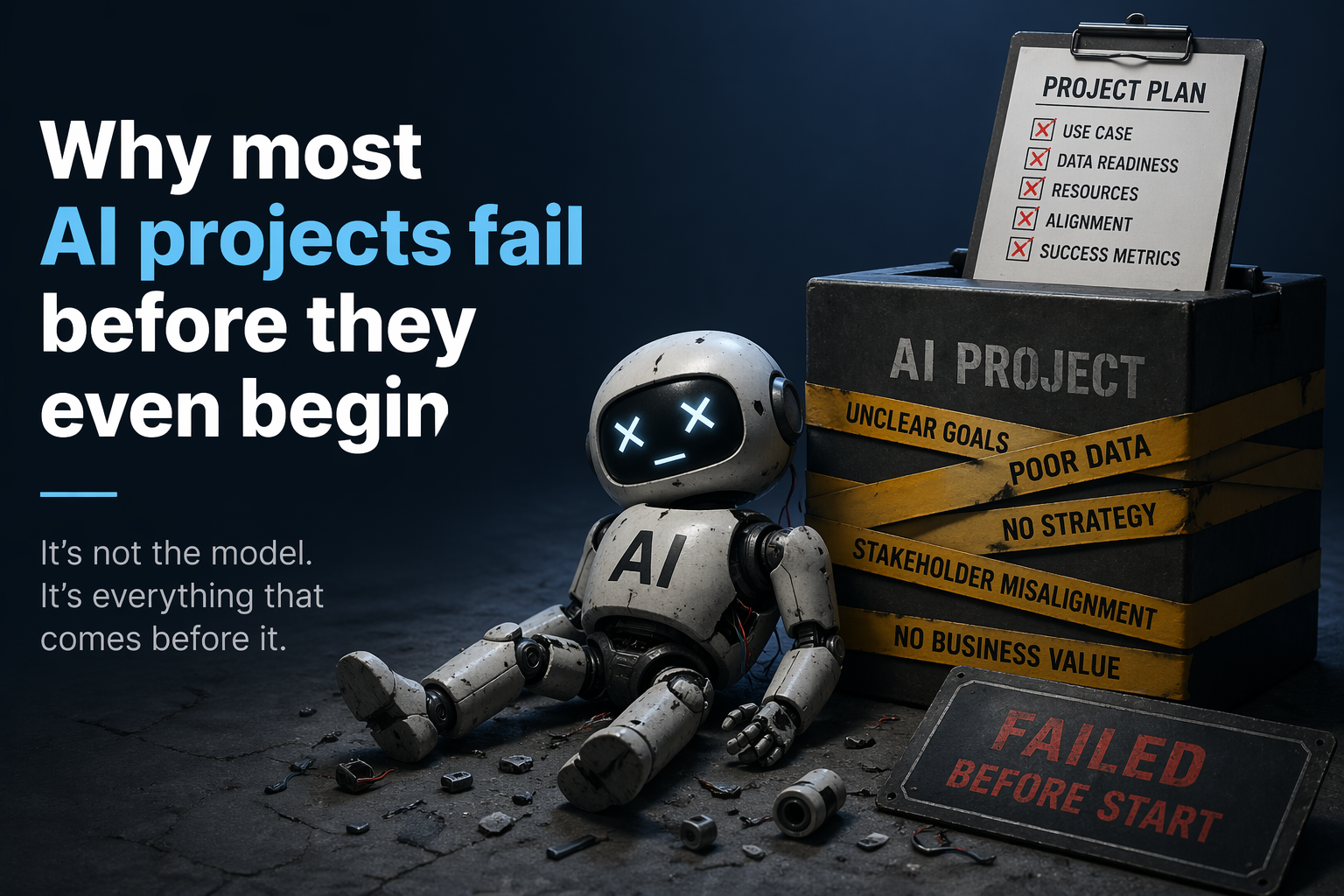
Another critical aspect is ensuring that AI investments are aligned with strategic priorities rather than driven by opportunistic experimentation. Leaders should focus on identifying and prioritizing use cases that directly contribute to mission-critical outcomes such as operational excellence, enhanced customer experience, stronger regulatory compliance, and improved decision quality. When AI initiatives are tightly linked to business objectives, organizations are far more likely to achieve meaningful and sustained value instead of fragmented or isolated.
Ensuring Stakeholder Alignment
AI implementation impacts a wide range of stakeholders, including employees, managers, customers, and compliance teams. Leaders must take responsibility for ensuring stakeholder inclusion and alignment throughout the AI lifecycle. This helps surface potential value conflicts early, for example, when efficiency goals conflict with employee autonomy, or when personalization raises privacy concerns. Addressing these tensions requires structured review processes, ongoing auditing, and clear cross-functional accountability, ensuring that ethical considerations are not left solely to technical teams.
Building for Continuous Adaptation

Finally, AI should be managed as an evolving organizational capability rather than a one-time deployment. Successful implementation depends not only on technical execution but also on leadership communication, employee readiness, and clearly defined decision rights regarding when human intervention is required. Continuous monitoring, learning, and adaptation are essential to maintaining alignment as both business needs and technological capabilities evolve. Research consistently highlights that leadership plays a central role in building organizational readiness, managing change, and ensuring that AI enhances rather than replaces human contribution.
Conclusion

Aligning AI with organizational values and goals requires leaders to move beyond technology and focus on governance, strategy, and people. By translating values into enforceable mechanisms, prioritizing strategically relevant use cases, involving stakeholders in oversight, and building capabilities for continuous adaptation, leaders can ensure that AI delivers not just performance, but also trust. Ultimately, AI alignment is a leadership discipline that connects innovation with accountability, performance with ethics, and automation with organizational purpose.


Leave a Reply